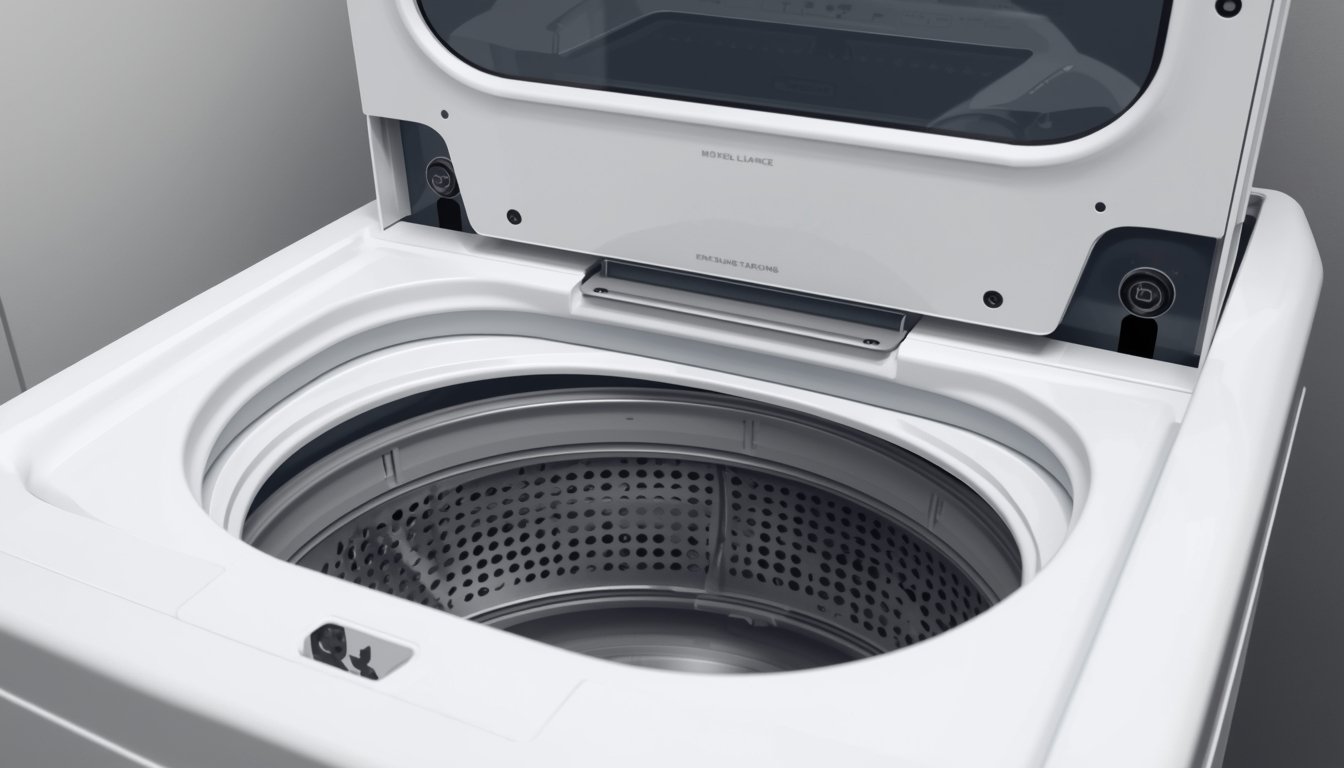
If a washer has lid switch bypass symptoms, the machine may run in unsafe or inconsistent ways because the normal lid-closed protection is no longer working as intended. This can happen after a failed repair attempt or a damaged switch circuit.
Because the lid switch controls a basic safety signal, even a small failure can interrupt the entire washer cycle. That is why symptoms often feel bigger than the part itself.
What This Problem Usually Means
This usually means the switch has been bypassed, altered, or is stuck in a way that no longer reflects the true lid position. The washer may run with the lid open, behave unpredictably, or stop responding correctly during different cycle stages.
In practical terms, the washer is pausing at a safety checkpoint rather than completing the next action. That is why lid switch problems can look like motor, timer, or control faults at first glance even though the real problem is much smaller and closer to the lid opening.
For that reason, the lid switch should be treated as a gateway component. If the washer cannot verify lid position, it may block functions that seem unrelated until the signal returns to normal.
Why This Happens
Bypass-related symptoms often come from cut wires, joined harnesses, damaged connectors, or previous troubleshooting that left the switch circuit altered. In other cases the switch may be mechanically stuck closed and mimic a bypass condition.
Age, vibration, detergent residue, cabinet movement, and repeated lid impact can all contribute. On older washers, the switch may fail gradually, which creates confusing symptoms that come and go instead of a single clean failure.
That gradual failure pattern is why the same washer may work sometimes and fail other times. Small changes in pressure, vibration, or lid position can temporarily hide or expose the weakness.
How to Confirm the Issue
Inspect the switch harness and connector area for non-original wire joins, loose terminals, or signs of previous repair. Compare the washer behaviour with normal safety expectations, especially whether it reacts properly when the lid is opened during operation.
It also helps to inspect the strike, surrounding plastic, and connector condition at the same time. A switch test is most useful when combined with a physical inspection because the washer depends on the entire lid switch system working together.
Taking a few extra minutes here usually saves more time later. A careful confirmation step helps you avoid chasing controls, motors, or timers when the washer is really waiting on the lid switch circuit.
What to Do Next
If the switch circuit has been altered, restoring the correct setup is the safest path. Before replacing random parts, use this washer lid switch guide to understand how the original switch should work and how to inspect the wiring properly.
That approach saves time and usually prevents ordering the wrong part. Once the switch circuit has been ruled in or out, the rest of the washer diagnosis becomes much more straightforward.
That makes the repair process more logical and keeps you from replacing unrelated parts. Once the switch issue is confirmed, the remaining work is usually much simpler.